

Updated June 2026
You type for a living, so the keyboard is the one tool you touch every working minute — and yet most “programming keyboard” lists just rank gaming boards by RGB and ignore what actually matters when you’re eight hours into a refactor. Under $50 the temptation is to grab whatever has the flashiest lights. That’s the wrong instinct: at this price, the money should go into the switches and the build, because typing feel and key feedback are what keep your hands comfortable and your error rate low through a long session.
Here’s the genuinely good news for 2026: $50 now buys a real mechanical keyboard with hot-swappable switches — something that cost three times as much a few years ago. That means you can start with a decent typing feel and later swap the switches to whatever your fingers prefer, without soldering. So this guide ranks by what a programmer actually needs — switch feel first, then a layout that keeps the keys you use (arrows, function row, sometimes a numpad), then nice-to-haves like wireless — across the six best coding keyboards you can buy for under $50.
TechnoQia is reader-supported: buy through the Amazon links below and we earn a small commission at no extra cost to you, and it never changes the order. Every pick here is a true mechanical board, not a membrane one dressed up with lights.
This is for developers, writers and anyone who lives in a text editor and wants a keyboard that’s comfortable to type on all day without spending a fortune.
- Best for most programmers: the Keychron C3 Pro — a tenkeyless board that’s hot-swappable and fully remappable (QMK/VIA), so you can tune both the feel and the key layout to your workflow.
- Best if you need a number pad: the Redragon K556 — a full-size hot-swap board with an aluminium base for not much money.
The shortlist, compared
Layout, connection and whether you can swap switches are what separate these. Product names link to Amazon.
| Keyboard | Layout | Connection | Hot-swap | Best for |
|---|---|---|---|---|
| Keychron C3 Pro | TKL (80%) | Wired | Yes | Best overall (programmable) |
| Redragon K556 | Full-size | Wired | Yes | Keeping a numpad |
| Royal Kludge RK84 | 75% | Wireless (tri-mode) | Yes | Wireless & features |
| Redragon K628 Pollux | 75% | Wired | Yes | Compact typing feel |
| Redragon K552 | TKL | Wired | No (fixed) | Ultra-budget workhorse |
| Royal Kludge RK61 | 60% | Wireless (tri-mode) | Yes | Minimalist desk |
TechnoQia · coder’s budget-board map
Which under-$50 keyboard fits your coding?
Start with what your workflow needs most — remapping, a numpad, no cable or pure value — and the deciding feature points the way.
Decider: QMK/VIA support lets you remap every key and build macro layers for your editor.
Decider: a full-size layout keeps the dedicated number pad most compact boards drop.
Decider: tri-mode wireless (Bluetooth + 2.4GHz + USB-C) with hot-swap, in a 75% layout that keeps the F-row.
Decider: the Pollux adds hot-swap and sound-damping mods; the K552 is the proven no-frills workhorse.
Keychron C3 Pro — best overall for programming
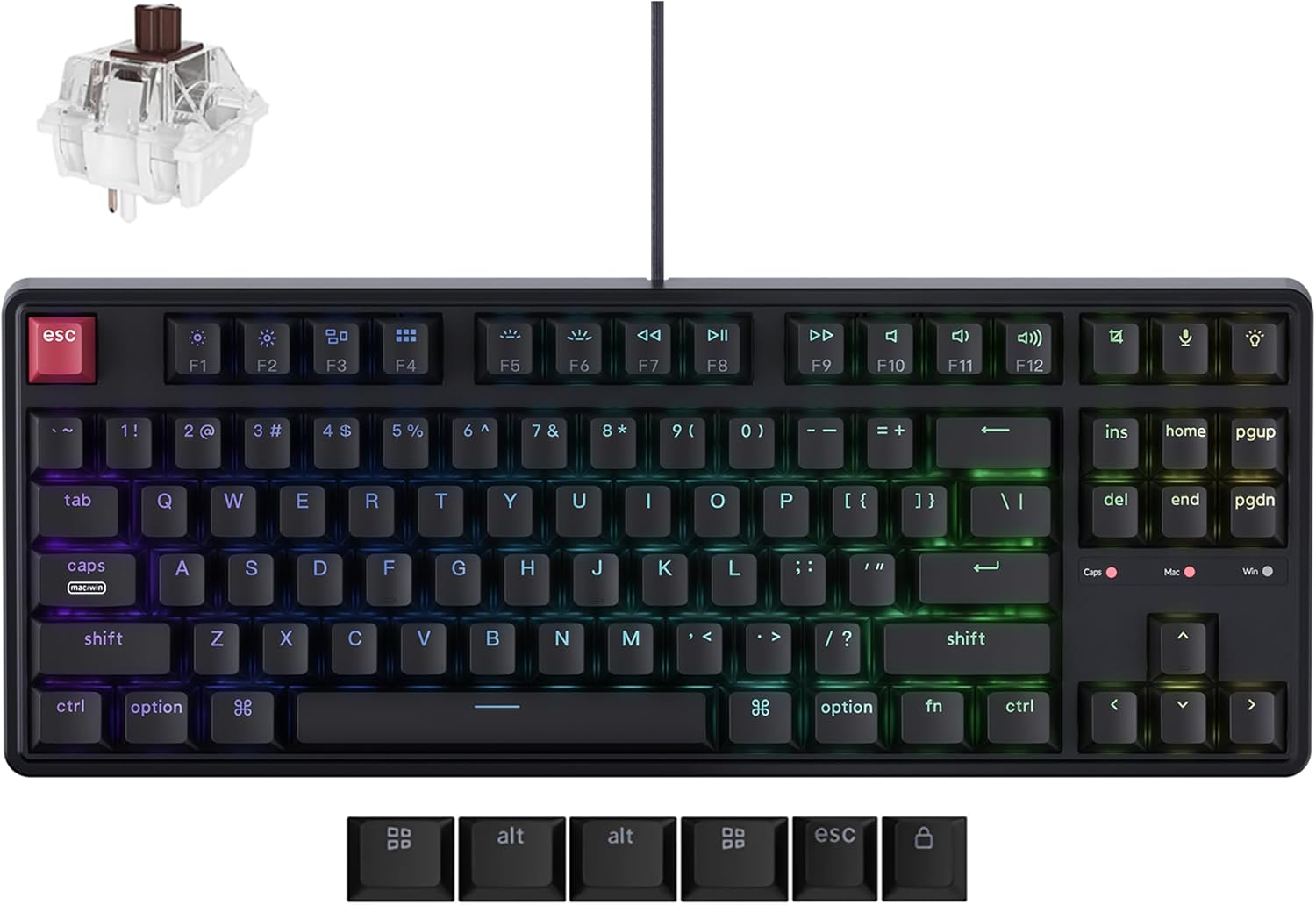
The C3 Pro is the rare budget board built for people who actually work on it. It’s a tenkeyless layout — the function row and arrows you need for an IDE, minus the numpad — and it’s both hot-swappable and QMK/VIA programmable. That second part is the big deal: you can remap any key, build layers, and bind editor shortcuts in software, then have them work on any computer because the config lives on the keyboard. It works across Mac, Windows and Linux out of the box.
It’s the pick for most programmers: comfortable to type on, tunable in both feel and layout, and genuinely cheap. The honest cons: the stock keycaps and case are functional rather than fancy, and it’s wired only. But for a board you can mould to your exact workflow without spending more, nothing here matches it.
Verdict: Buy it — the best all-round coding keyboard at this price; programmable and tunable.
Redragon K556 — best if you need a number pad
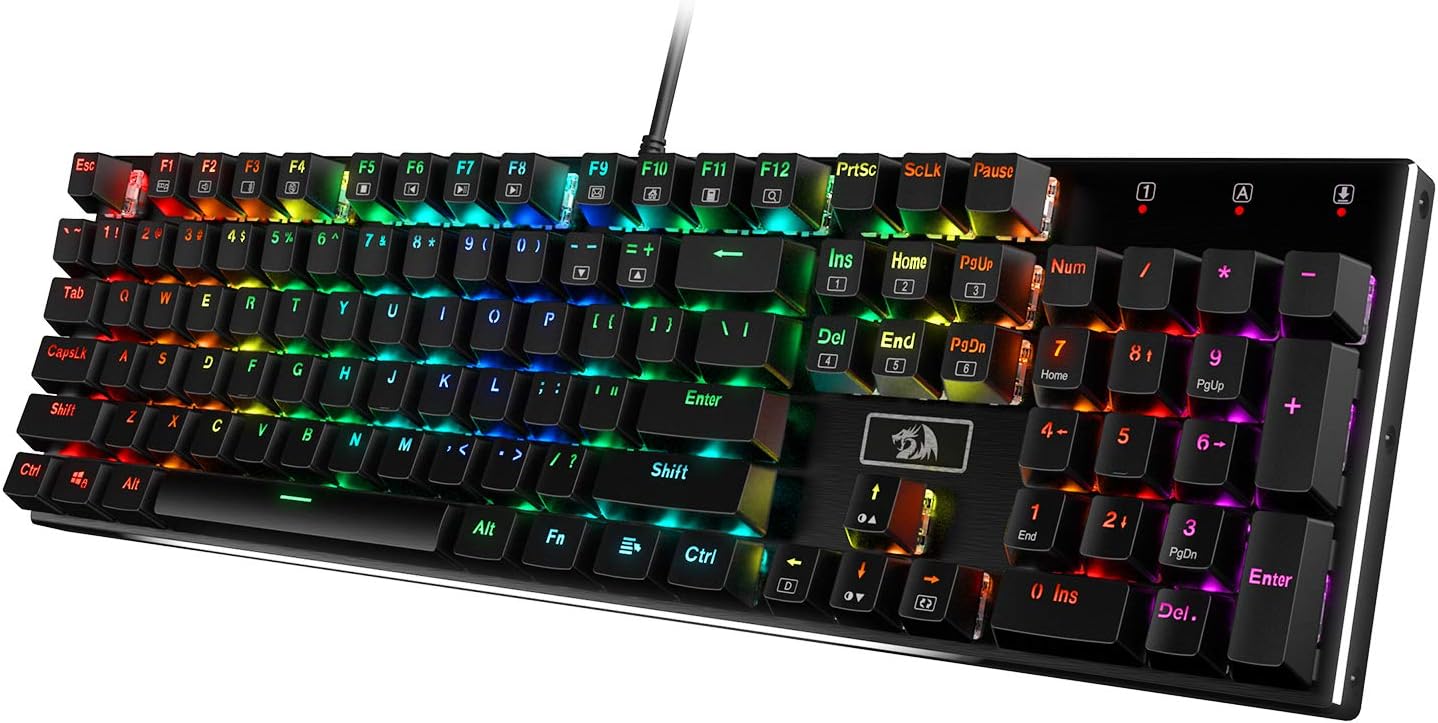
Plenty of developers work with numbers all day — data, finance, spreadsheets alongside code — and for them a compact board is a downgrade. The K556 is a full-size, 104-key mechanical with the dedicated number pad intact, and it punches above its price with a hot-swappable socket and an aluminium top plate that makes it feel sturdier than most boards in this range. It’s a comfortable, no-compromise typing surface for long sessions.
It’s the pick if you refuse to give up the numpad or the full navigation cluster. The cons: it’s the biggest board here, so it pushes your mouse further right (less ideal if desk space or shoulder comfort is tight), and the RGB is more gamer than office. But as an affordable full-size you can re-switch later, it’s excellent.
Verdict: Buy it — the budget full-size to get if a number pad is non-negotiable.
Royal Kludge RK84 — best wireless and most features
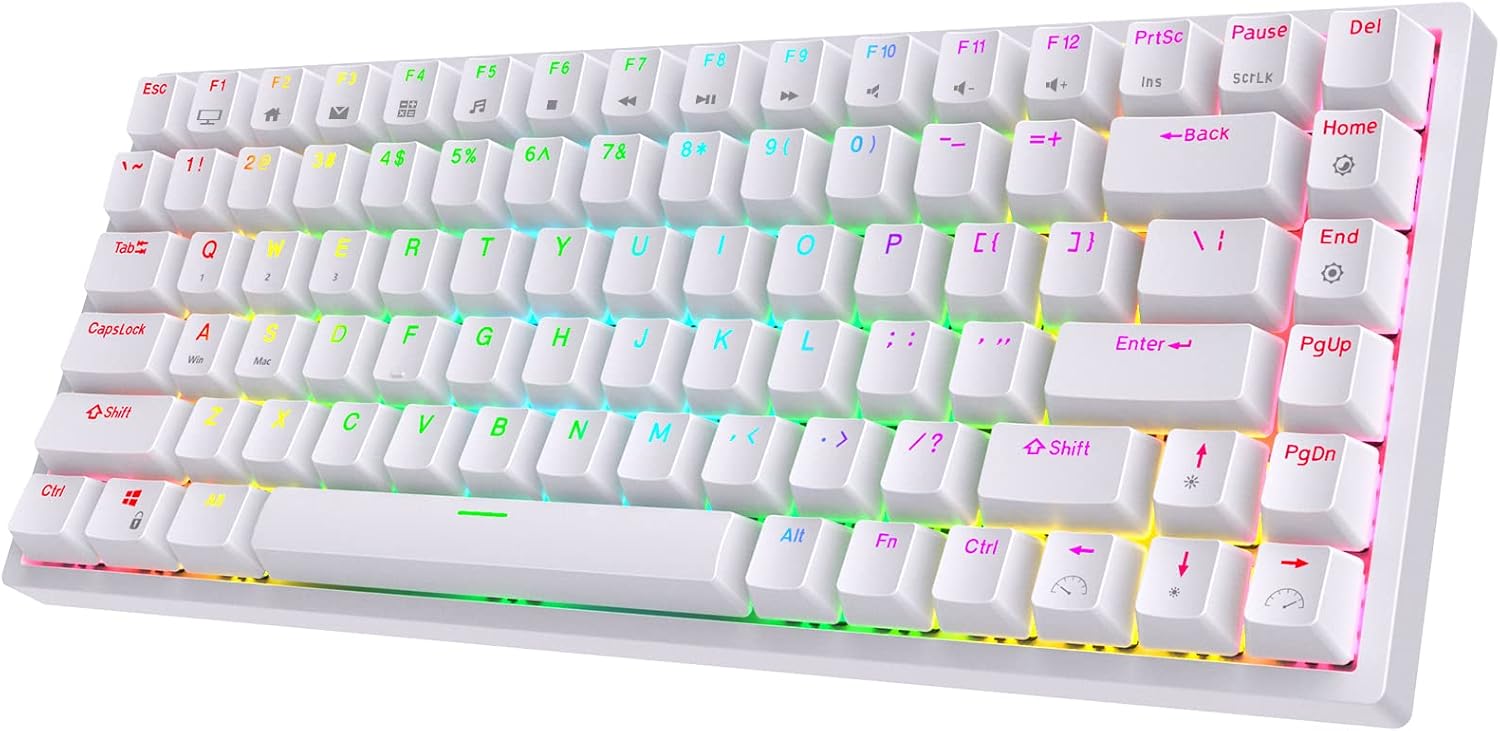
The RK84 is the spec-sheet champion of this price bracket. It’s a 75% layout — so it keeps the function row and arrow keys while trimming the numpad — and it’s triple-mode wireless (Bluetooth 5.x, 2.4GHz dongle and USB-C), hot-swappable, and often includes a rotary knob. That combination of wireless freedom and tunable switches used to be a premium-only feature set; getting it under $50 is genuinely impressive.
It’s the pick if you want a clean, cable-free desk or you hop between a work laptop and a personal machine. The cons: battery life is fine rather than enormous, and the stacked features mean the software and stabilisers are good-not-great. But for the most capable board per dollar here, it’s the standout — pair it with our take on chiclet vs mechanical feel if you’re coming from a laptop board.
Verdict: Buy it — the best wireless pick; ideal for a tidy desk or two-machine setups.
Redragon K628 Pollux — best compact typing feel
If you want the nicest sound and feel for the money, the Pollux is the surprise. It’s a 78-key 75% board with 100% hot-swap sockets and “free-mod” sound-damping foam and a gasket-style mount — features borrowed from far pricier custom keyboards that give it a softer, deeper typing feel than the usual budget rattle. For long coding sessions, that comfort adds up.
It’s the pick if typing experience matters most and you’re happy with a compact layout that keeps the arrows. The cons: it’s wired, and the 75% layout means the numpad is gone (and a couple of keys shift position you’ll adapt to). But for a board that feels a tier above its price, it’s the enthusiast’s budget choice.
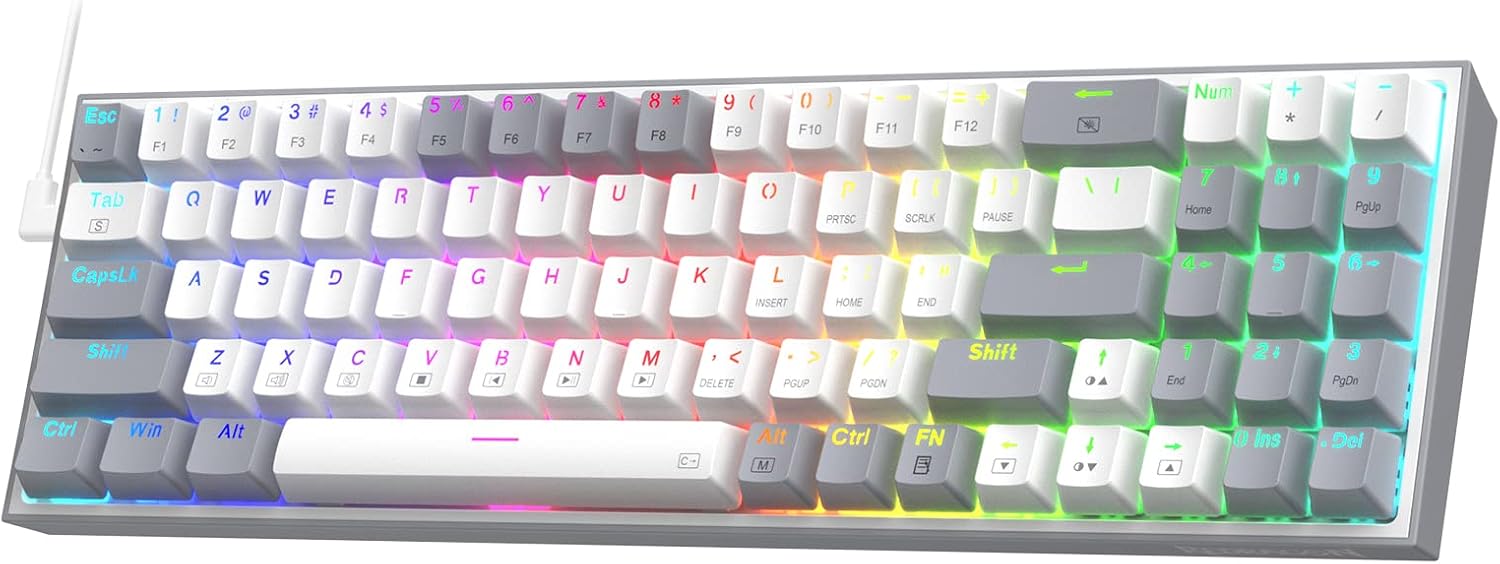
Verdict: Buy it — the best typing feel under $50 if you want a compact board.
Redragon K552 — the ultra-budget workhorse
The K552 is the board that has quietly sat on millions of desks because it just works. It’s a tenkeyless mechanical with a solid metal frame, full anti-ghosting, and a typing feel that’s perfectly good for daily coding — all at the lowest price here. It’s the safe, boring, reliable answer when you want a real mechanical keyboard and nothing fancy.
It’s the pick for a first mechanical board, a second machine, or anyone who wants proven reliability over features. The honest cons: the switches are fixed (not hot-swappable), so you can’t change the feel later, and it’s wired with no software remapping. But for a dependable, genuinely cheap mechanical that’ll last years, it’s a classic for a reason.
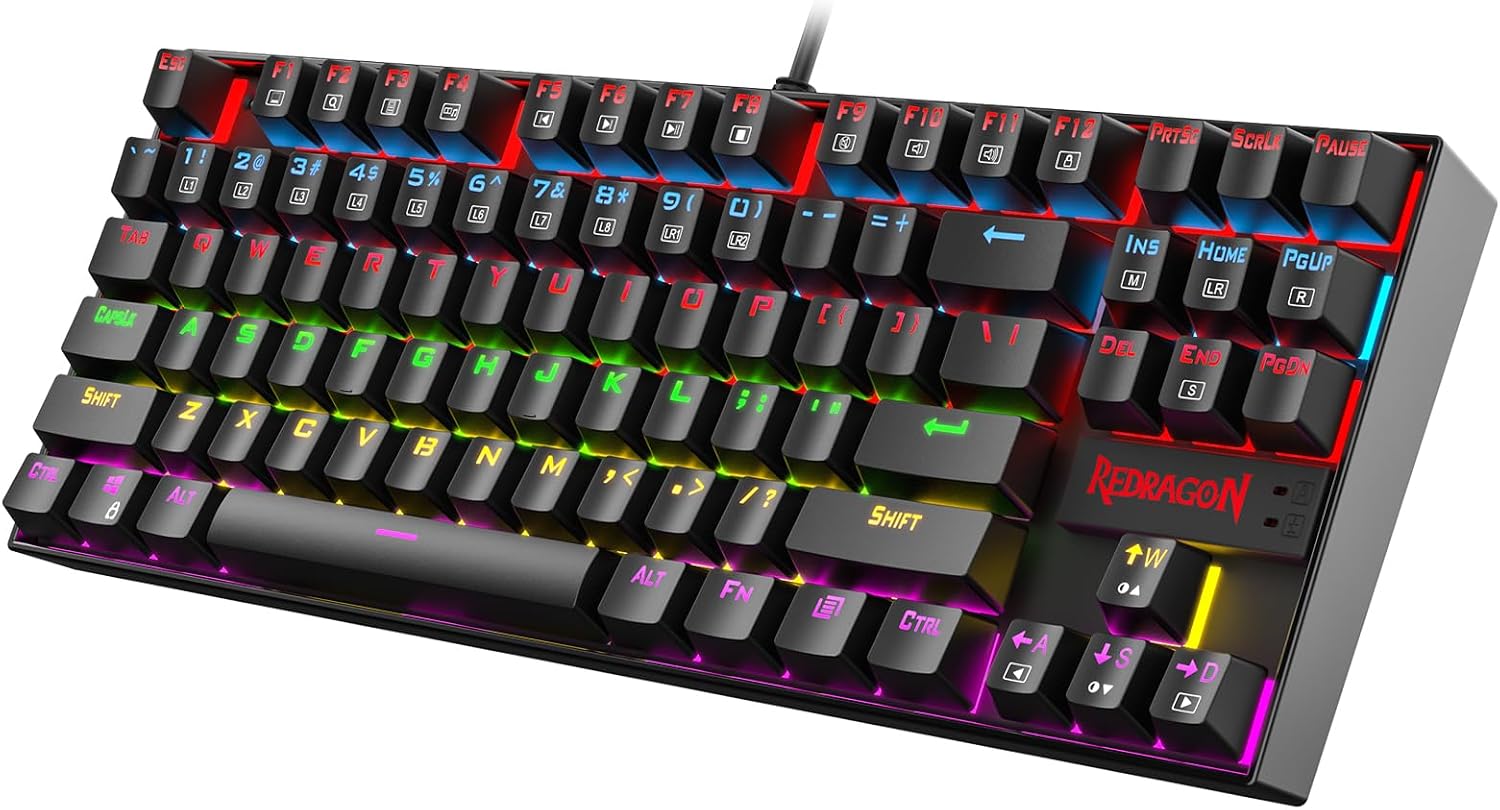
Verdict: It depends — perfect for a cheap, reliable first mechanical; pick a hot-swap board if you’ll want to tweak the feel.
Royal Kludge RK61 — best minimalist desk
For the cleanest possible desk, the RK61 strips down to a 60% layout — just the core typing block — and pairs it with triple-mode wireless, hot-swap sockets and durable PBT keycaps. Arrows and the function row move onto a layer you access with a modifier, which sounds limiting but becomes second nature within a week, and the tiny footprint frees up loads of mouse room.
It’s the pick if you value minimalism and a clutter-free workspace, and you’re comfortable using layers for navigation. The cons: that layer learning curve is real, and dedicated arrow keys are genuinely missed in some coding tasks (debugging, text selection). If you want compact but would rather keep arrows, step up to a 65%/75% like the RK84. For a clean, wireless, pocket-sized board, though, it’s great.
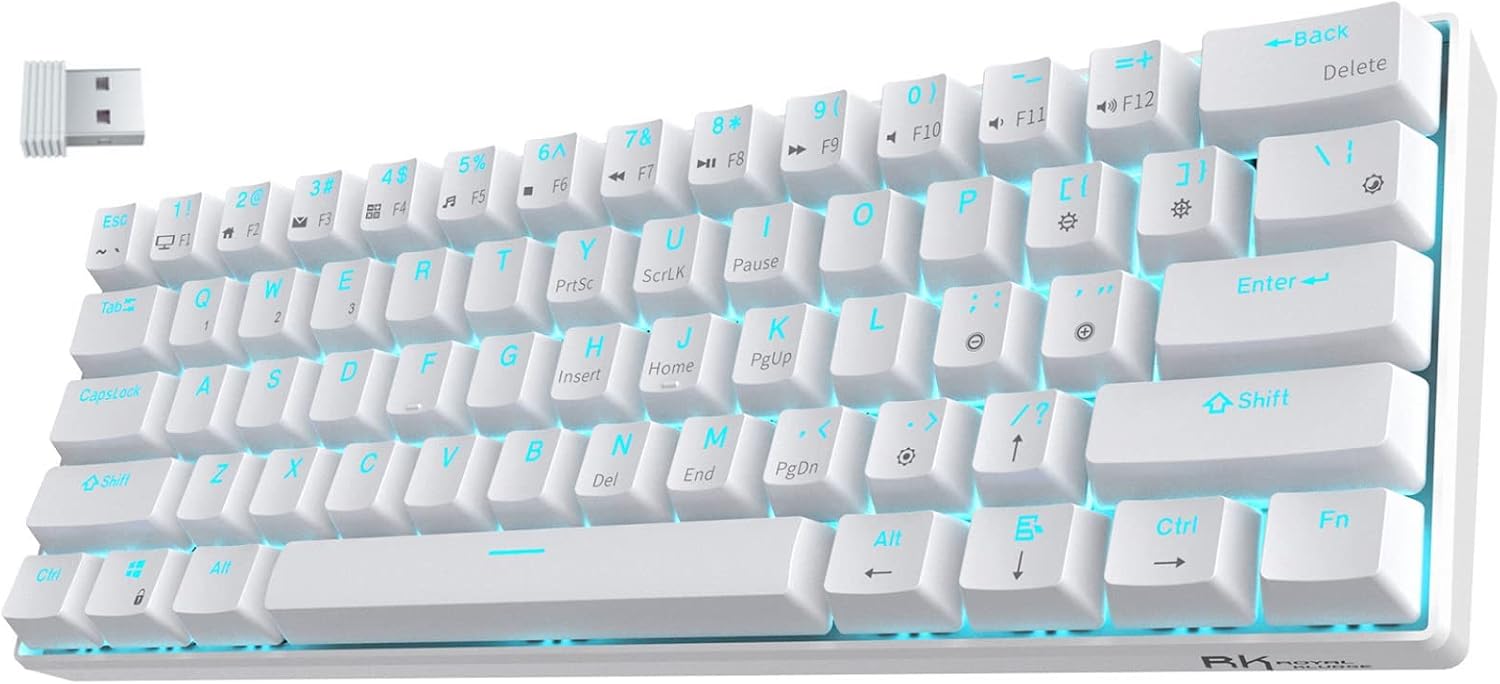
Verdict: It depends — ideal for minimalists; go 75% if you want dedicated arrow keys for coding.
How to choose a programming keyboard under $50
Spend the budget where your hands feel it, in this order:
- Switch feel matters most for coding. Tactile switches (the “brown” style) give a small bump on each press so you know it registered — feedback that reduces errors over long sessions without the loud click of “blue” switches that annoys coworkers. If you’re unsure, get a hot-swap board and try a couple.
- Hot-swap is the killer budget feature now. A hot-swappable board lets you change switches by hand, no soldering — so you can start cheap and tune the feel later. At this price it’s worth prioritising over RGB.
- Pick a layout that keeps the keys you use. TKL and 75% keep the function row and arrows (great for IDE shortcuts); full-size adds the numpad; 60% drops arrows and the F-row onto a layer. Choose based on whether you input numbers and how much you rely on arrows.
- Programmable (QMK/VIA) is a quiet superpower. Boards that support remapping let you bind editor shortcuts and build layers that live on the keyboard, so they work on any machine — a real win for developers.
- Don’t pay for lights. Under $50, every dollar spent on elaborate RGB is a dollar not spent on switches and build. Prioritise feel and a solid plate; treat lighting as a bonus.
If you’re weighing whether mechanical is even worth it coming from a laptop, our guides on chiclet vs mechanical and why mechanical keyboards cost more help — and if you’re building a whole coding setup, see whether you actually need a graphics card for programming. Browse more options in the keyboards hub.
Frequently asked questions
Is a mechanical keyboard worth it for programming?
For most developers, yes. Mechanical switches give clearer feedback and a more consistent feel than membrane keyboards, which makes long typing sessions more comfortable and can reduce mistakes. They’re also more durable and, with hot-swap models, customisable. You don’t need to spend much — a good budget mechanical under $50 already delivers most of the benefit.
What switch type is best for programming?
Tactile switches (commonly called “brown” switches) are the usual sweet spot for coding. They give a noticeable bump when the key actuates, so you get feedback without the loud audible click of “blue” switches, which is kinder to anyone sharing your space. Linear “red” switches are smoother and quieter if you prefer no bump. A hot-swappable keyboard lets you try different switches and settle on your favourite.
Do you need a number pad for programming?
It depends on your work. Pure coding rarely needs a dedicated numpad, which is why many developers prefer compact TKL or 75% boards that free up desk space and bring the mouse closer. But if you regularly enter numeric data — finance, spreadsheets, data entry alongside code — a full-size board like the Redragon K556 keeps the numpad and saves you reaching for the top-row numbers.
Can you get a good programming keyboard for under $50?
Yes, and more easily than ever. As of 2026, under $50 buys a genuine mechanical keyboard with hot-swappable switches, and some even add wireless or QMK/VIA programmability. The trick is to spend on switches and build quality rather than flashy lighting. Every board in this guide is a real mechanical that’s comfortable for full-time coding.
What does “hot-swappable” mean and why does it matter?
A hot-swappable keyboard lets you pull out and replace the switches by hand, with no soldering. It matters because switch feel is personal — what’s comfortable for one person isn’t for another. With a hot-swap board you can start with the stock switches and later change them to a lighter, heavier, quieter or tactile option to suit your hands, all for the cost of a pack of switches.
Is a 60% or TKL keyboard good for coding?
A TKL (tenkeyless) is excellent for coding — it keeps the function row and arrow keys, which you use constantly in an editor, and only drops the numpad. A 60% is great for minimalists who want a tiny footprint, but it moves arrows and the function row onto a layer, which takes adjustment and can slow down tasks like debugging and text selection. If in doubt, a TKL or 75% is the safer choice for programming.