

Updated June 2026
Editing video on a sub-$800 laptop used to mean staring at a spinning cursor every time you scrubbed the timeline. In 2026 that’s no longer true — 16GB of RAM is finally standard at this price, budget chips export H.264 faster than $1,500 ultrabooks did two years ago, and you can even get a real OLED panel for around $700. The catch is that most “best cheap editing laptop” lists still rank by gaming benchmarks and miss the spec that decides whether your colour grade is accurate.
Here’s the thing nobody tells you: a fast laptop with a bad screen will export your video the wrong colour. Most budget gaming laptops ship a panel covering barely 60% of the sRGB gamut — fine for fragging, useless for grading, because the greens and reds you see aren’t the ones your audience gets. So this guide ranks the six best options by what actually matters to an editor: display colour accuracy first, then 16GB of RAM as a hard floor, then how fast each one encodes and renders.
TechnoQia is reader-supported — buy through the Amazon links below and we earn a small commission at no cost to you, and it never moves anything up the list. Every pick here was chosen with 16GB of RAM (never 8GB), because for video that one spec matters more than the badge on the lid.
This is for the YouTuber, student, or freelancer cutting mostly 1080p (with the odd 4K project) who wants the timeline to stay smooth without spending four figures.
- Best for colour-accurate editing: the ASUS Vivobook S16 OLED — a 3.2K OLED panel at 100% DCI-P3, the only kind of screen you can actually grade on at this price.
- Best raw power for 4K and effects: the Acer Nitro V 15 — an RTX 4050 with NVENC hardware encoding chews through exports.
- Best value all-rounder: the Lenovo IdeaPad Slim 5 — 16GB DDR5 and a decent ~100% sRGB screen, usually the cheapest of the six.
The shortlist, compared the way an editor would
Not by frame rates — by the screen, the memory, and the export engine. Product names link to Amazon.
| Laptop | Display (the editor’s view) | RAM | Editing engine | Best for |
|---|---|---|---|---|
| ASUS Vivobook S16 OLED | 16″ 3.2K OLED, 100% DCI-P3 | 16GB LPDDR5X | Ryzen AI 7 + Radeon (AMD encode) | Colour grading |
| Acer Nitro V 15 | 15.6″ FHD 144Hz IPS (~62% sRGB) | 16GB DDR5 | RTX 4050 (NVENC + GPU effects) | 4K & heavy effects |
| Lenovo IdeaPad Slim 5 | 16″ WUXGA IPS (~100% sRGB) | 16GB DDR5 | Ryzen AI 7 + Radeon 860M | Best value |
| Acer Swift Go 14 | 14″ WUXGA IPS touch | 16GB LPDDR5X | Ryzen 7 8845HS + Radeon 780M | Portability |
| Apple MacBook Air M2 (renewed) | 13.6″ Liquid Retina, 100% P3 | 16GB unified | M2 media engine (H.264/HEVC) | Export speed & battery |
| HP Victus 15 | 15.6″ FHD 144Hz IPS (~62% sRGB) | 16GB | RTX 4050 (NVENC) + strong cooling | Editing + gaming |
TechnoQia · budget-editor map
Which sub-$800 editing laptop fits your work?
Start with what your footage demands — colour, resolution, or portability — and the deciding spec points to the pick.
Decider: a 100% DCI-P3 OLED panel is the only screen here you can trust for accurate colour.
Decider: the RTX 4050’s NVENC encoder and CUDA cores accelerate exports and GPU effects.
Decider: 16GB DDR5 and a ~100% sRGB screen with none of the 8GB or 60%-gamut compromises.
Decider: ~1.3kg bodies and long battery; the Air adds a media engine that sips power while exporting.
ASUS Vivobook S16 OLED — best display for colour grading
The single biggest upgrade you can give your edits at this price isn’t a faster chip — it’s a screen that shows true colour, and the Vivobook S16 is the only laptop here with one. Its 16-inch 3.2K OLED panel covers 100% of the DCI-P3 gamut with per-pixel black levels, so what you grade is what your audience sees. Pair that with an 8-core Ryzen AI 7 350, 16GB of fast LPDDR5X and a 1TB SSD, and 1080p timelines stay fluid.
It’s the pick if your video is ever judged on how it looks — client work, short films, anything with a deliberate colour palette. The honest cons: there’s no discrete GPU, so heavy 4K effects render slower than on the RTX machines, and OLED can be glossy under harsh light. But for colour you can trust, nothing else in this budget comes close.
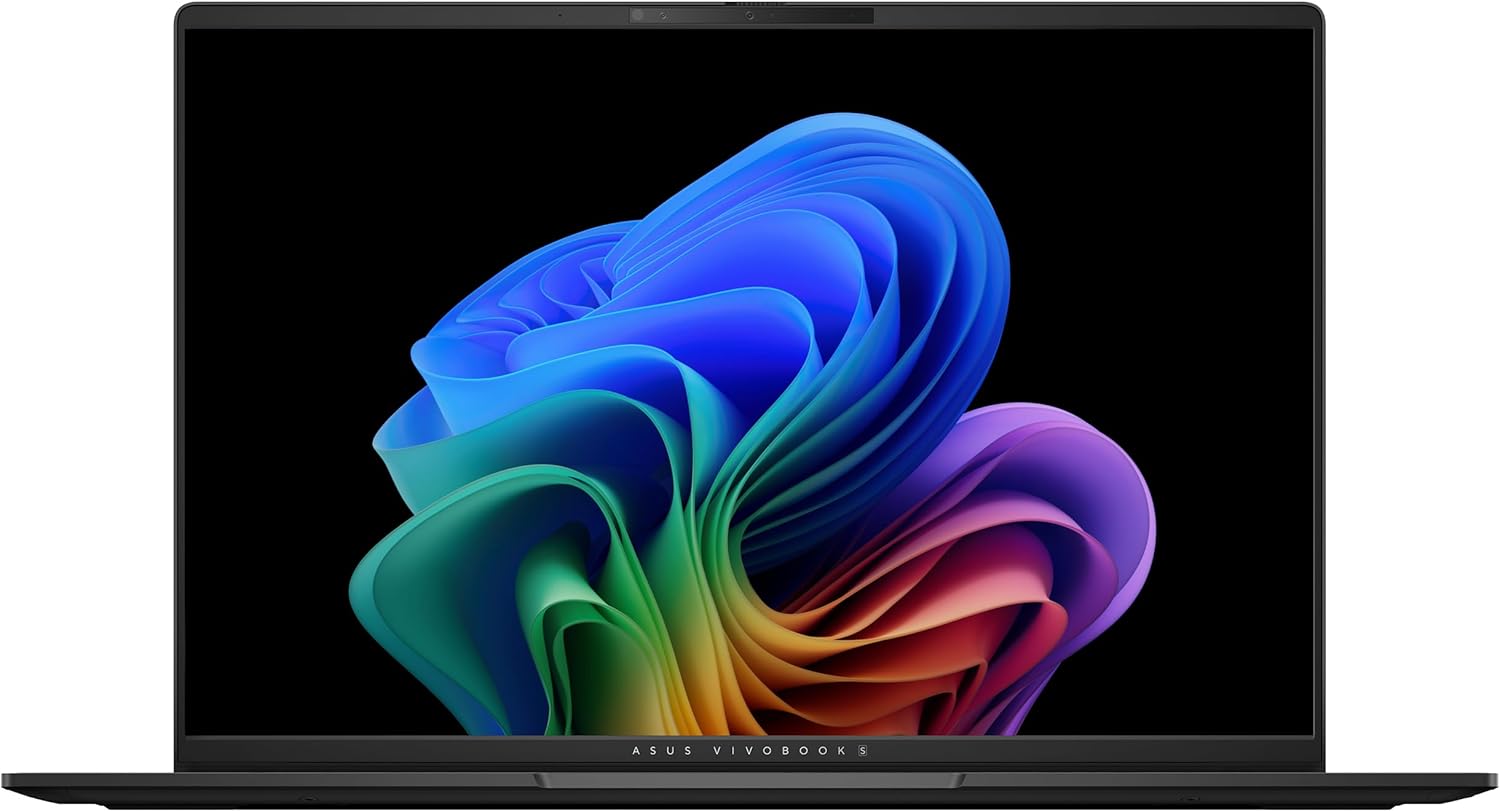
Verdict: Buy it — if colour accuracy matters at all, this OLED panel is worth more than any spec bump.
Acer Nitro V 15 — best power for 4K and effects
When your timeline is 4K, stacked with effects, or full of transitions that need to render, a discrete GPU stops being a luxury. The Nitro V 15 packs an RTX 4050 with 6GB of VRAM, whose NVENC encoder accelerates H.264/HEVC exports and whose CUDA cores speed up GPU-based effects in Premiere and DaVinci Resolve. With a 10-core i5-13420H, 16GB of DDR5 and a 144Hz panel, it’s the fastest editor here for demanding projects.
It’s the choice if export time is your bottleneck. The honest con is the one every list ignores: the 144Hz IPS panel covers only around 62% of sRGB, so it’s great for previewing motion but unreliable for final colour — plug in an external monitor for grading. Treat the screen as a workspace, not a reference, and it’s a lot of editing muscle for the money.
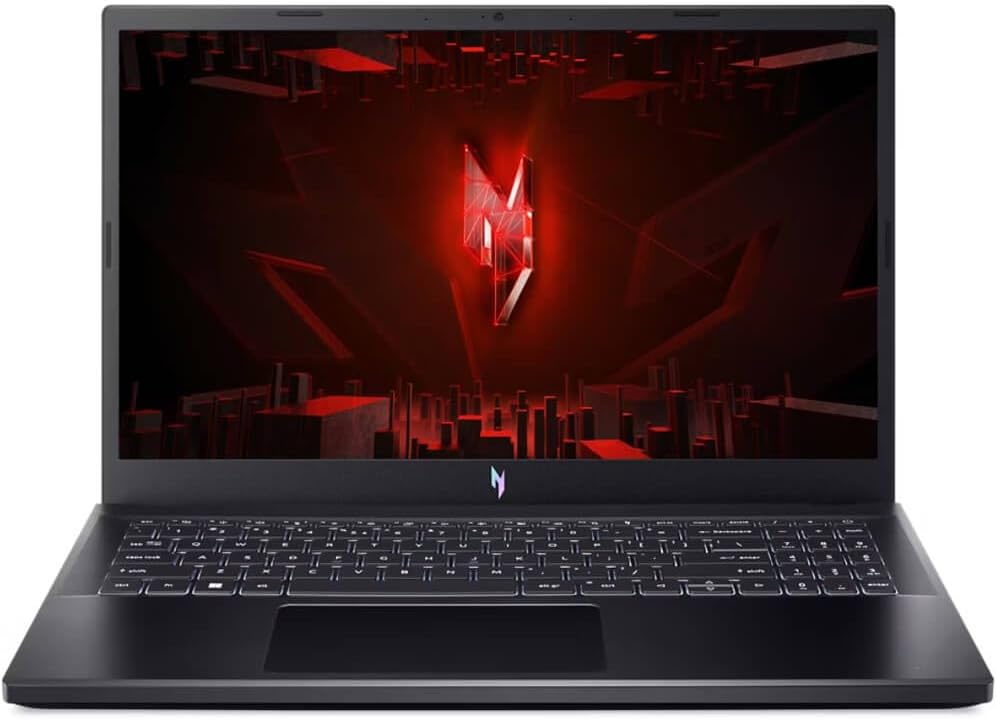
Verdict: Buy it — for 4K and effects-heavy work where render speed beats panel quality.
Lenovo IdeaPad Slim 5 — best value all-rounder
The Slim 5 is the one that quietly avoids every trap. It pairs an 8-core Ryzen AI 7 350 with 16GB of DDR5 and, crucially, a 16-inch WUXGA IPS panel that covers roughly 100% of sRGB — far better colour than the gaming laptops, in a slimmer body, usually for the lowest price of the six. The Radeon 860M integrated graphics handle 1080p timelines and basic grading comfortably.
It’s the sensible default if you want a clean, capable editing laptop without overthinking it. The cons: no discrete GPU means 4K and heavy effects render slower, and the build is practical rather than premium. But as a do-everything machine that gets the important specs right, it’s the best value here — and a natural fit for our student laptop picks.
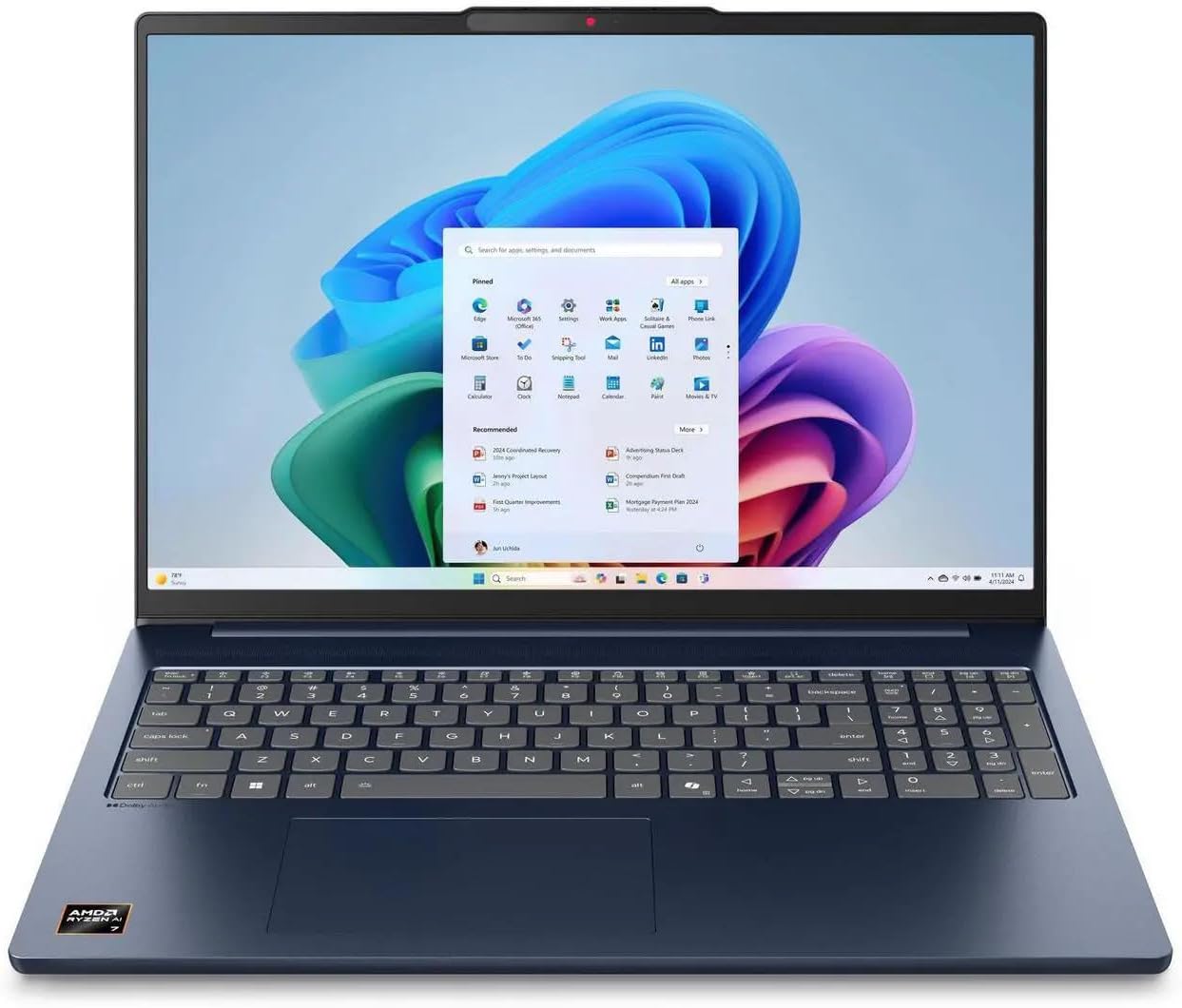
Verdict: Buy it — the best all-round value for 1080p editors who want no weak spec.
Acer Swift Go 14 — best for editing on the move
If you cut footage in cafés, on trains, or between lectures, weight and battery matter as much as horsepower. The Swift Go 14 weighs around 1.3kg yet runs a full 8-core Ryzen 7 8845HS with 16GB of LPDDR5X and a 1TB SSD, and its Radeon 780M iGPU is one of the stronger integrated chips for timeline playback. The 14-inch WUXGA touchscreen keeps the footprint bag-friendly.
It’s the pick when portability is the priority and your projects are mostly 1080p. The cons: the smaller IPS screen is good but not colour-grade reference, and without a discrete GPU, 4K exports take their time. For a genuinely portable editing machine that doesn’t cut RAM to hit the price, though, it’s the standout.
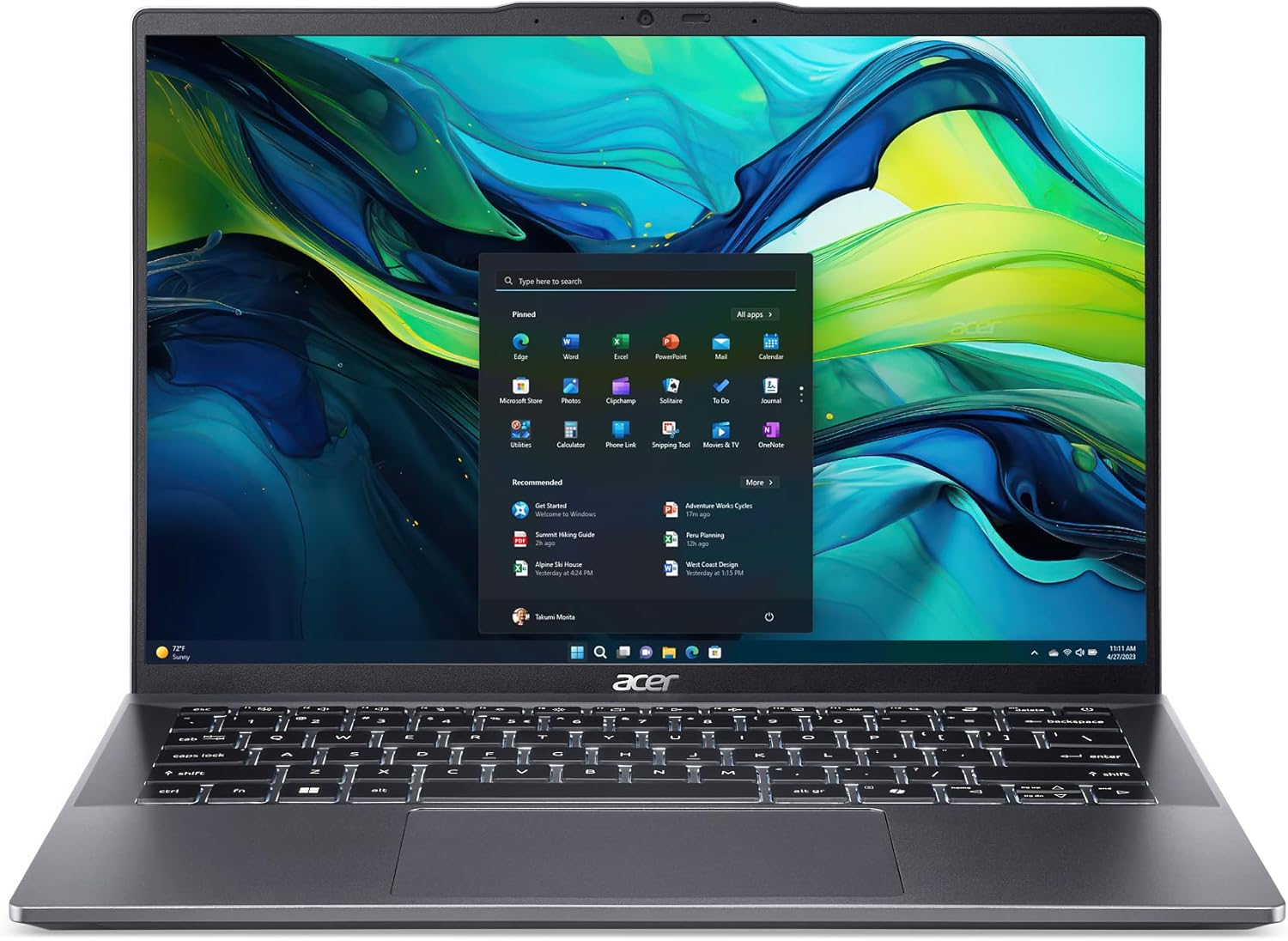
Verdict: It depends — ideal if you edit on the move; choose the Nitro V if you need a GPU more than a light bag.
Apple MacBook Air M2 (renewed) — best export speed and battery
Here’s the contrarian buy: the smartest sub-$800 editing laptop might not be new, and might not run Windows. A renewed MacBook Air M2 with 16GB of unified memory slips under budget, and its dedicated media engine hardware-encodes H.264 and HEVC so efficiently that it exports faster — and silently, fanless — than several pricier Windows laptops. The 13.6-inch Liquid Retina display is also properly colour-accurate at 100% P3.
It’s the pick if your footage is H.264/HEVC (most cameras and phones) and you value battery and quiet over upgradeability. The honest cons: it’s renewed, so buy from a reputable seller and check the condition — our guide on how to tell if a laptop is refurbished helps — RAM and storage can’t be upgraded later, and ProRes-heavy 4K work prefers the M-series Pro chips. For efficient exports and all-day battery, it punches far above its renewed price.
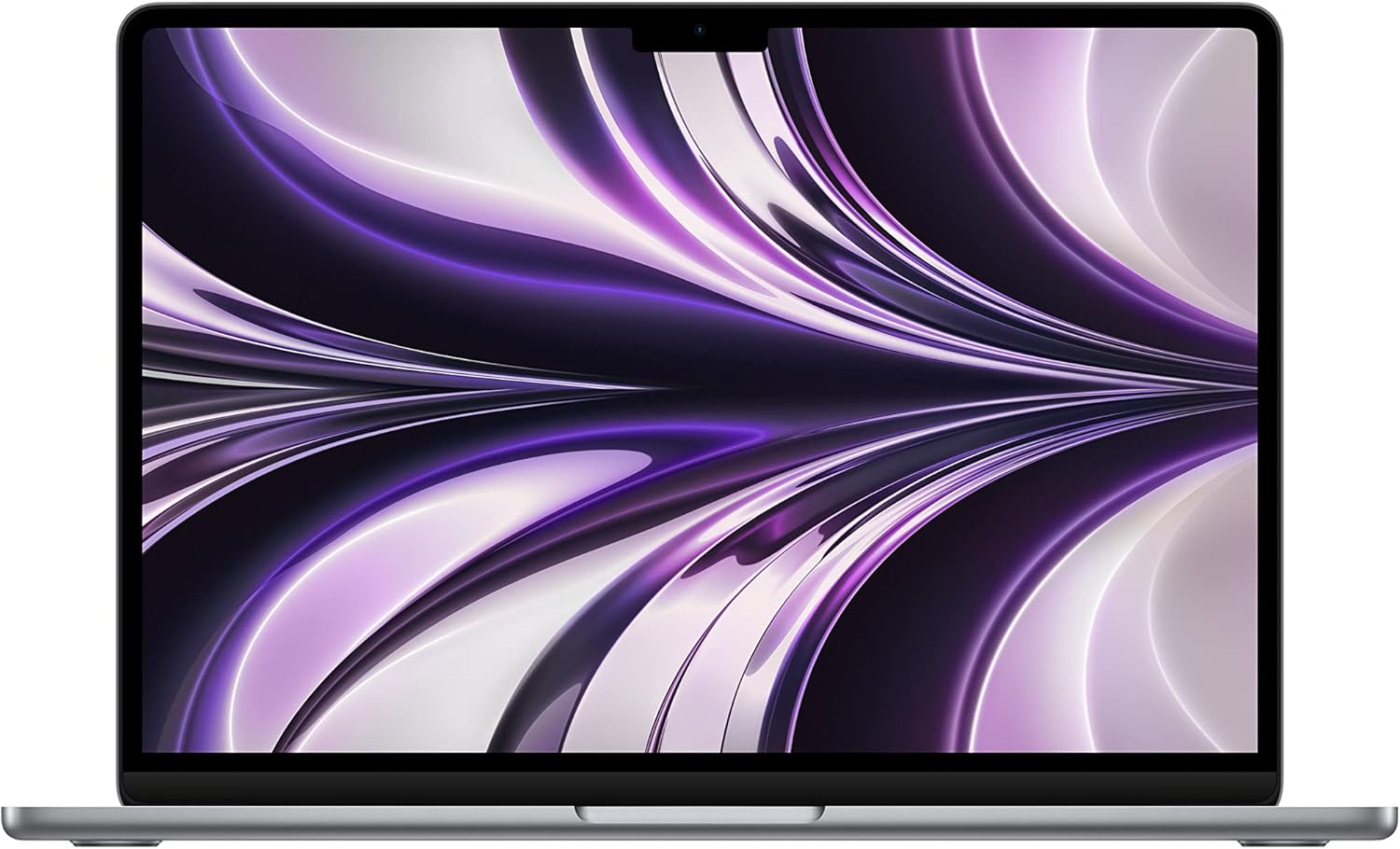
Verdict: It depends — superb for H.264/HEVC export and battery; buy renewed from a trusted seller and skip if you need upgradeable parts.
HP Victus 15 — best for editing and gaming
If the same laptop has to cut video and play games after hours, the Victus 15 is the better-balanced of the two RTX 4050 machines here. It uses the same NVENC-equipped RTX 4050 for accelerated exports and effects, pairs it with a 12-core i5-12500H and 16GB of RAM, and — importantly — has a roomier chassis with stronger cooling, so it sustains performance during long renders without throttling as hard.
It’s the dual-use pick: serious editing power that doubles as a capable gaming rig. The cons mirror the Nitro V — the 144Hz panel covers only around 62% of sRGB, so colour grading wants an external display, and it’s heavier than the ultraportables. For one machine that edits all day and games all night, though, the cooling headroom makes it the smarter gaming-laptop choice.
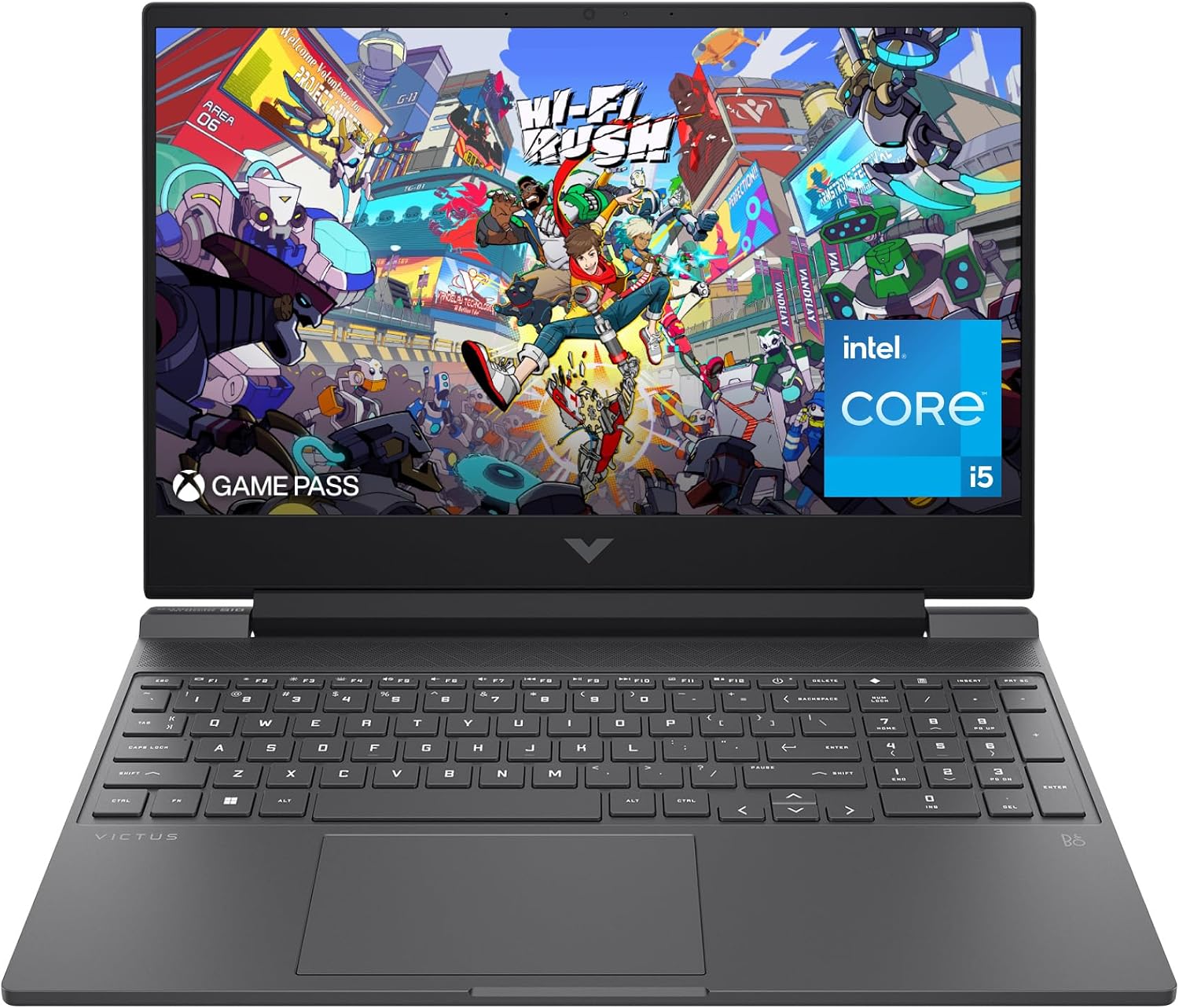
Verdict: Buy it — the best pick if one laptop must handle both editing and gaming.
How to choose a video editing laptop under $800
Spend your limited budget on the specs that actually move editing, in this order:
- 16GB of RAM is the floor, not a nice-to-have. Think of RAM as your desk: with 8GB you’re constantly clearing space to open the next clip (the laptop swaps to disk and stutters); 16GB lets you keep the whole project spread out. Never buy 8GB for video — it’s the number-one budget trap.
- Match the display to your footage’s importance. If colour matters, you need a panel near 100% sRGB or DCI-P3 (the OLED and Apple picks). Budget gaming panels at ~62% sRGB are fine for previewing motion but lie about colour — pair them with an external monitor for grading.
- Know which engine does the work. For 1080p H.264/HEVC, a hardware media engine (Apple’s, or Intel QuickSync / AMD’s encoder) accelerates exports even without a discrete GPU. For 4K, layered effects, or DaVinci Resolve, the RTX 4050’s NVENC and CUDA cores pull ahead.
- SSD speed and headroom matter. Video files are huge; a PCIe Gen4 NVMe SSD keeps scrubbing snappy, and 512GB fills fast — plan for an external drive or a 1TB model.
If you want to go deeper on balancing processor, memory and storage for your workload, our guide to choosing the right laptop specs breaks it down, and you can browse more options in the laptops hub. Editing on a clean machine helps too — see our picks for laptops that ship without bloatware.
Frequently asked questions
Is 16GB of RAM enough for video editing?
Yes, 16GB is comfortable for 1080p editing and most 4K projects on a budget laptop — it’s the realistic sweet spot at this price. 8GB is not enough and will stutter as soon as your timeline grows, because the system starts swapping to disk. If you regularly work with heavy 4K, lots of layers, or run other apps alongside your editor, 32GB is nicer, but 16GB is the floor to aim for.
Can you edit 4K video on a laptop under $800?
Yes, but choose the right one. The models here with an RTX 4050 (the Acer Nitro V and HP Victus) handle 4K timelines and exports best thanks to GPU acceleration. Integrated-graphics laptops can edit 4K too, especially with proxy workflows (editing lower-resolution stand-ins, then exporting at full quality), but playback will be smoother on the discrete-GPU machines or the MacBook Air’s media engine.
Do I need a dedicated graphics card for video editing?
Not for 1080p. A modern integrated GPU or a hardware media engine handles 1080p timeline playback, basic colour grading and H.264/HEVC export perfectly well. A dedicated GPU like the RTX 4050 mainly pays off for 4K footage, GPU-accelerated effects, and software like DaVinci Resolve that leans heavily on the graphics card. Buy the GPU for the work you actually do, not the spec sheet.
Is a MacBook Air good for video editing on a budget?
Surprisingly, yes — a renewed MacBook Air M2 with 16GB of unified memory is one of the best sub-$800 editing buys for H.264 and HEVC footage. Its dedicated media engine hardware-encodes those formats efficiently, so it exports quickly and silently with excellent battery life, and the display is colour-accurate. The trade-offs are that it’s renewed, you can’t upgrade the RAM or storage later, and very heavy 4K ProRes work prefers the pricier M-series Pro chips.
Why does display colour accuracy matter for editing?
Because if your screen can’t show colours accurately, the colour corrections you make will look wrong everywhere else — on phones, TVs and other monitors. Most budget gaming laptops cover only about 60% of the sRGB gamut, so their greens and reds are muted compared to what your audience sees. A panel near 100% sRGB or DCI-P3 (like an OLED or the MacBook’s display) lets you grade with confidence; with a low-gamut screen, grade on an external monitor instead.
What specs should I prioritise for a cheap editing laptop?
In order: 16GB of RAM (non-negotiable), then a colour-accurate display if your work is judged on looks, then the right export engine for your footage (a media engine or RTX GPU), and finally a fast SSD with enough room for large video files. Spend on those four before chasing a higher-resolution screen or extra cores — they make the biggest day-to-day difference when editing.