


Updated June 2026
A laptop, a charger, a water bottle and a couple of notebooks add up fast — and if all that weight hangs off two thin straps, your shoulders and upper back pay for it by mid-afternoon. The bag you carry it in matters more than most people think. The right one spreads the load across your body; the wrong one concentrates it on the two worst places.
What actually relieves shoulder and back pain comes down to load distribution: wide, contoured (S-shaped) shoulder straps, a padded and ventilated back panel that sits flush against your spine, a sternum (chest) strap to stop the straps sliding outward, and — best of all — a hip or waist strap that shifts weight onto your hips. Get those right and the same load feels dramatically lighter.
TechnoQia is reader-supported: if you buy through the Amazon links below we earn a small commission at no extra cost to you, and it never changes the rankings. Every pick here was chosen on its support system — straps, back panel, weight distribution — not its logo. Ratings are pulled live from Amazon at the time of this update.
One honest caveat up front: no backpack can undo overpacking or poor posture. Keep a loaded pack under roughly 10–15% of your body weight, pack the heaviest items closest to your back, and always use both straps. The bag helps; how you load and wear it matters just as much.
- Best for most people: the North Face Jester — a chiropractic-association-certified suspension system that’s genuinely spine-friendly.
- Best value: the SwissGear 1900 ScanSmart — an airflow back panel and contoured straps for far less.
- Cheapest that still supports you: the MATEIN Travel Backpack — a thickly padded back and straps, with 113,000+ ratings.
The shortlist, compared
Six backpacks, scored on what decides comfort under load — back support, straps, and laptop fit. Product names link to Amazon.
| Backpack | Support system | Chest strap | Laptop fit | Rating | Best for |
|---|---|---|---|---|---|
| North Face Jester | ACA-certified FlexVent, padded vented back | Yes | 16″ | 4.7 ★ | Most people |
| SwissGear 1900 ScanSmart | Airflow back panel, contoured straps | Yes | 17″ | 4.4 ★ | Value |
| Osprey Arcane Large Day | AirScape ventilated back, premium straps | No | 16″ | 4.2 ★ | All-day comfort |
| MATEIN Travel Backpack | Thick padded back & straps | No | 15.6″ | 4.7 ★ | Budget |
| KROSER Laptop Backpack | Padded back, deep organization | No | 15.6″ | 4.7 ★ | Heavy daily loads |
| North Face Recon | ACA-certified FlexVent, sternum strap | Yes | 16″ | 3.9 ★ | Heavy commute (with caveats) |
TechnoQia · laptop-backpack support map
Which backpack will save your shoulders?
Your load and budget set the priority; one support feature decides the pick.
Decider: a FlexVent suspension certified by the American Chiropractic Association.
Decider: an airflow back panel and contoured straps that punch well above the price.
Decider: an AirScape ventilated back panel that keeps the load off your spine and cool.
Decider: deep organization spreads heavy gear evenly instead of bunching it low.
Decider: a thickly padded back and straps proven across 113,000+ ratings.
North Face Jester — best for most people
The Jester earns the top spot for one reason that matters here: its FlexVent suspension system is certified by the American Chiropractic Association — an endorsement of the strap-and-back-panel design, not a clinical promise to cure pain. That means contoured, injection-molded shoulder straps, a sternum strap to keep them in place, and a padded, ventilated back panel that holds the load against the strongest part of your back. At 4.7 stars it’s also the best-reviewed bag on this list.
It fits a 16-inch laptop in a dedicated padded sleeve and has enough room for a full day’s gear without tempting you to overload. The honest con: it has no hip belt, so for very heavy loads it still leans on your shoulders more than a hiking pack would. For the typical commuter or student with back complaints, it’s the safest buy.
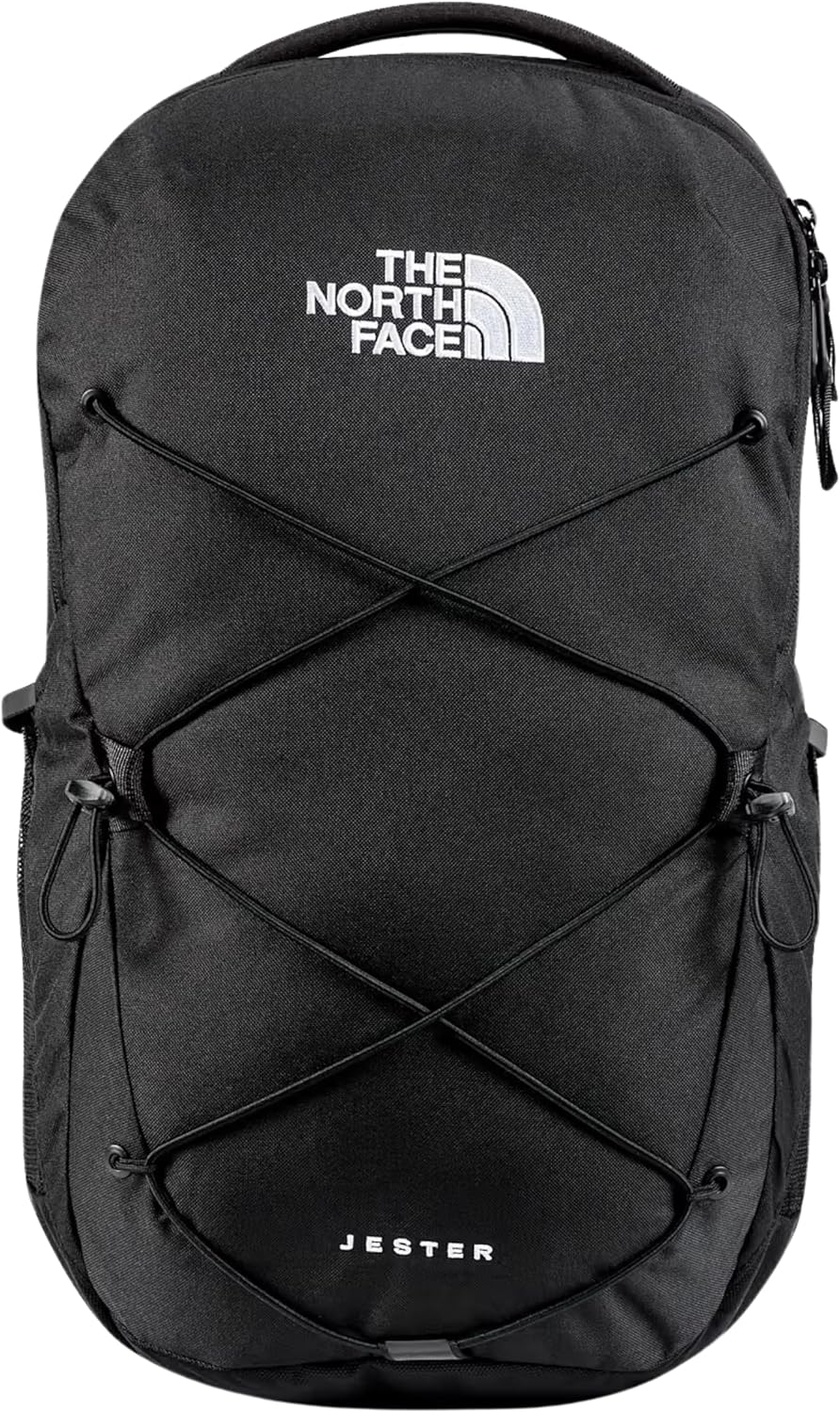
Verdict: Buy it — the best all-round pick for back and shoulder relief; certified support and the top rating here.
SwissGear 1900 ScanSmart — best value
If you want most of the comfort for a fraction of the spend, the SwissGear 1900 is the long-running favourite — 4.4 stars across nearly 28,000 ratings. The key features for your back are an air-flow back panel that lifts the load slightly off your spine and lets heat escape, plus ergonomically contoured, padded shoulder straps and a sternum strap to distribute weight evenly.
It swallows a 17-inch laptop and has the deep tech organization SwissGear is known for. The con: it’s a big, boxy bag, so if you only carry a 13-inch laptop it can feel like overkill and tempt you to fill the extra space. Packed sensibly, it’s superb value for a sore back.
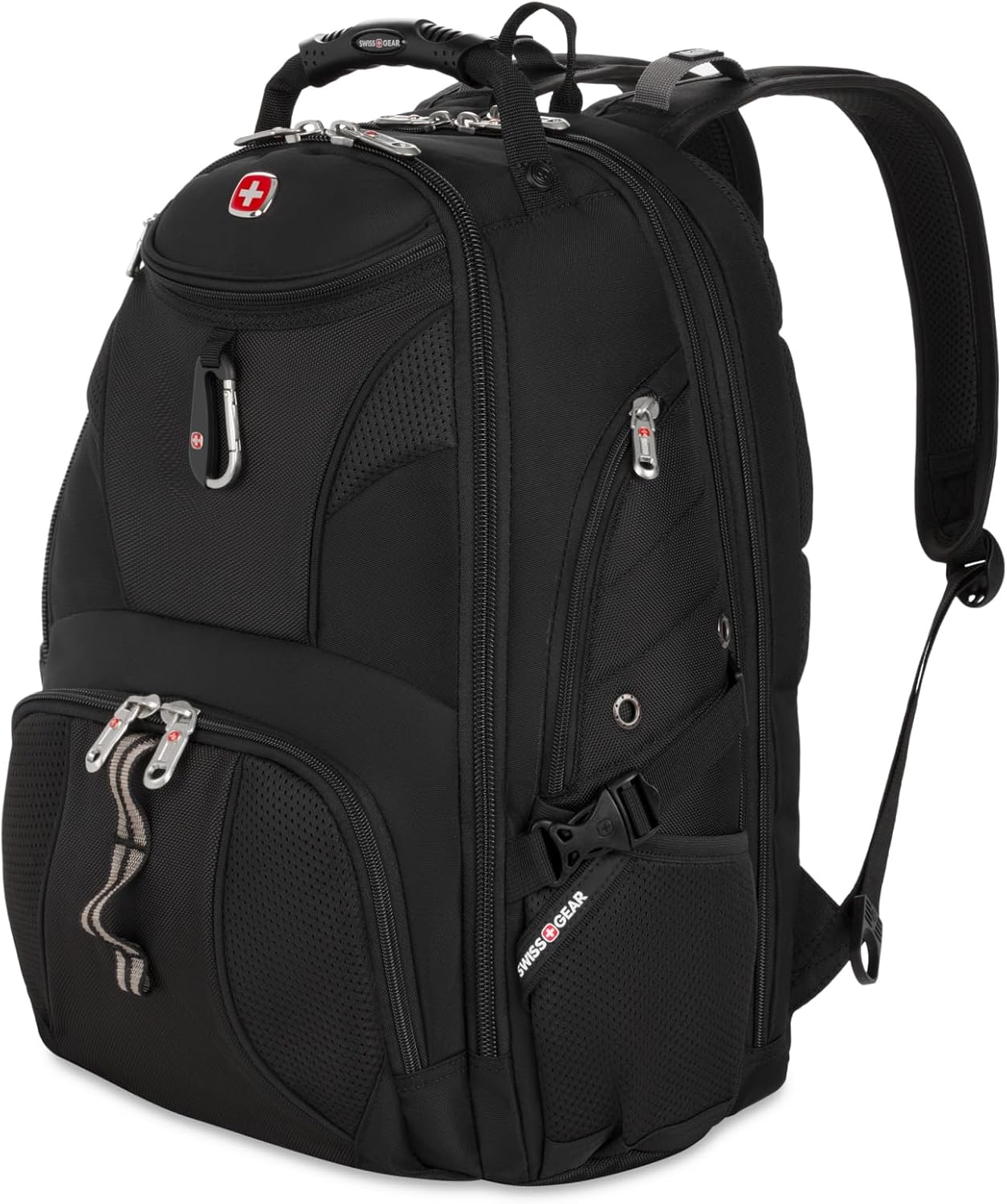
Verdict: Buy it — the best value for back support; just don’t fill all that space for the sake of it.
Osprey Arcane Large Day — best all-day comfort
Osprey builds packs for hikers, and that DNA shows in the Arcane. Its AirScape ventilated back panel — a die-cut foam that channels airflow — keeps the load comfortable and your back cooler over long days, and the shoulder straps are among the most refined on any commuter bag. It’s the one I’d pick for the longest carries.
Osprey’s all-mighty guarantee also means it’s effectively a buy-once bag. The cons: it has no sternum or hip strap on this minimalist model, and with only a few hundred ratings it’s less proven on Amazon than the giants here (though Osprey’s reputation is sterling). For comfort-first buyers who carry all day, it’s worth the premium.
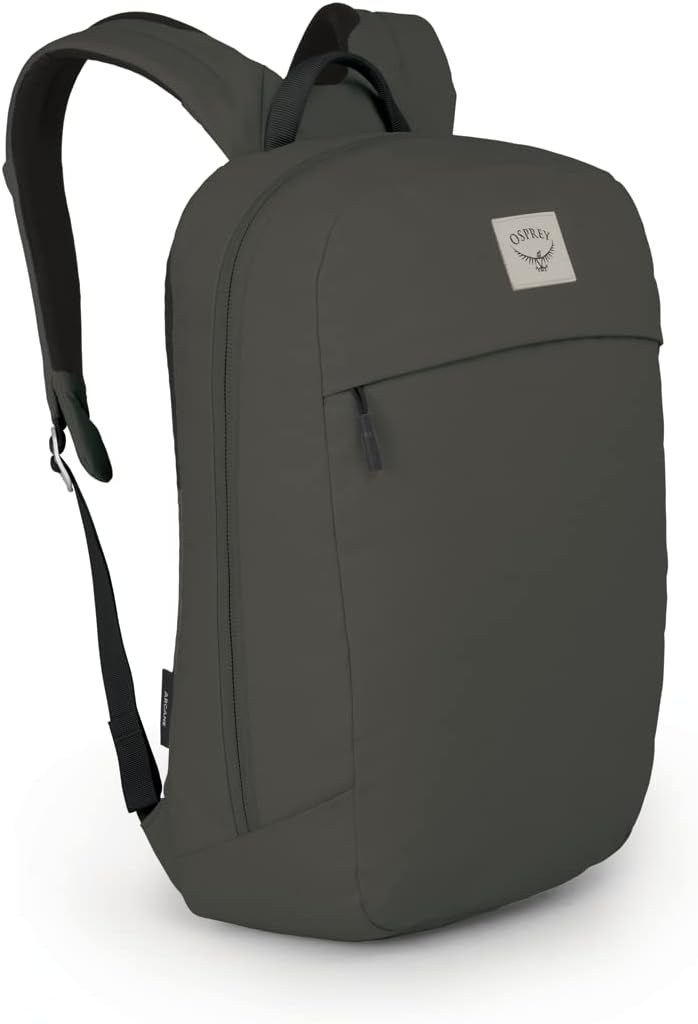
Verdict: Buy it — the best for all-day comfort and ventilation; skip it if you specifically need a chest or hip strap.
MATEIN Travel Backpack — best budget pick
The MATEIN is the internet’s default budget laptop backpack, and the reason it works for sore shoulders is simple: a thickly padded back panel and wide padded straps that cushion the load far better than the thin straps on a cheap bag. With over 113,000 ratings at 4.7 stars, it’s one of the most-reviewed backpacks on Amazon, period.
It fits a 15.6-inch laptop, has sensible organization, and a luggage pass-through strap. The con: there’s no sternum or hip strap and the back panel ventilation is basic, so on a hot day your back will sweat. For the price, the padding-to-cost ratio is unbeatable. If your hands hurt too, our guide to the best ergonomic mice is a good companion read.
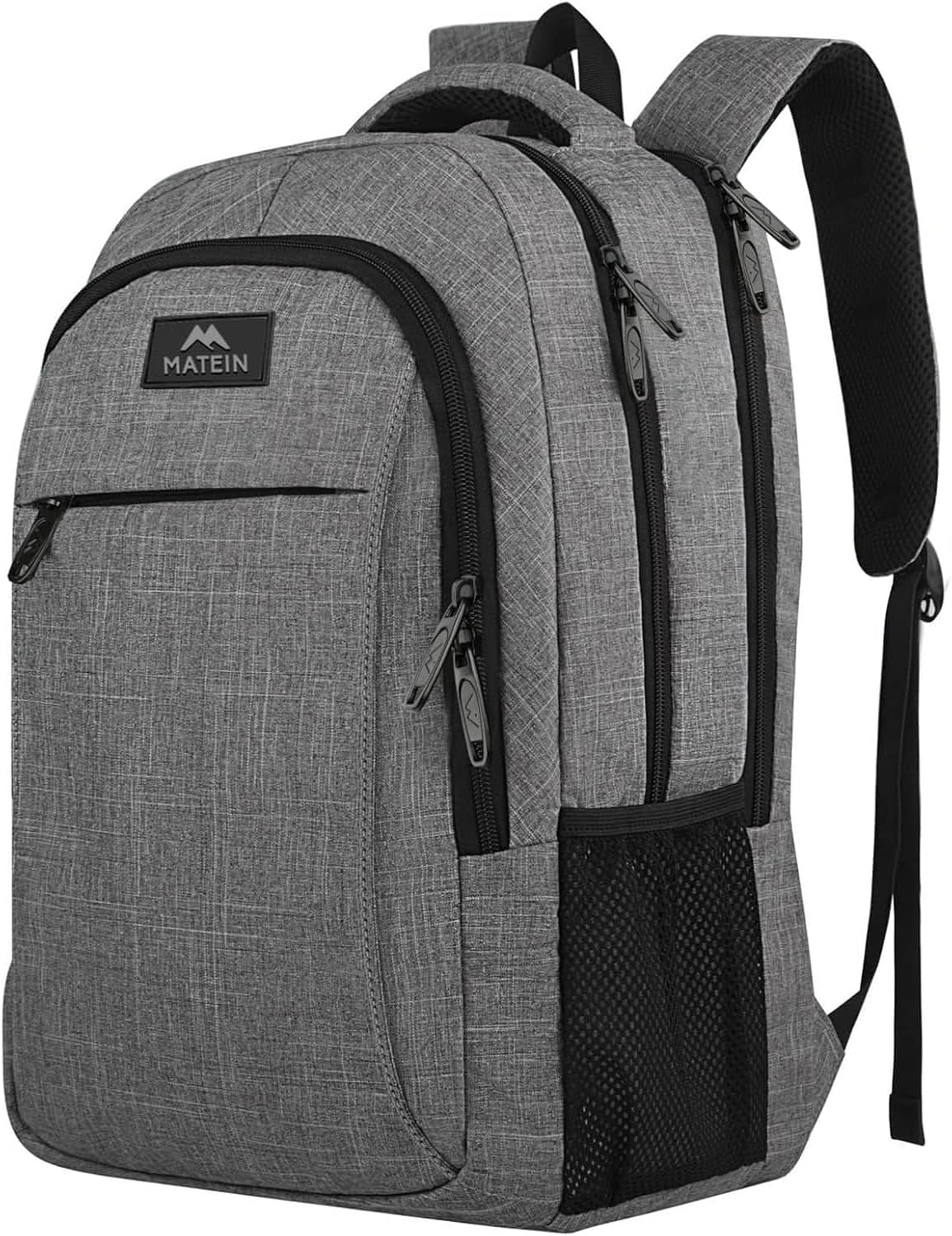
Verdict: Buy it — the best budget choice; padded where it counts, just don’t expect a cool back in summer.
KROSER Laptop Backpack — best for heavy daily loads
The more you carry, the more how it’s packed matters — gear that slides to the bottom drags the load away from your back and strains your shoulders. The KROSER’s deep, structured organization keeps heavy items stacked high and close to your spine, where they belong, on a well-padded back and straps. At 4.7 stars across 28,000+ ratings, it’s a proven workhorse.
It’s roomy enough for a 15.6-inch laptop plus a day’s worth of kit and a water bottle, with a luggage strap for travel. The con: like the MATEIN it lacks a chest or hip strap, so for genuinely heavy daily loads you’ll still want to keep total weight in check. For organizers who carry a lot, it’s the pick.
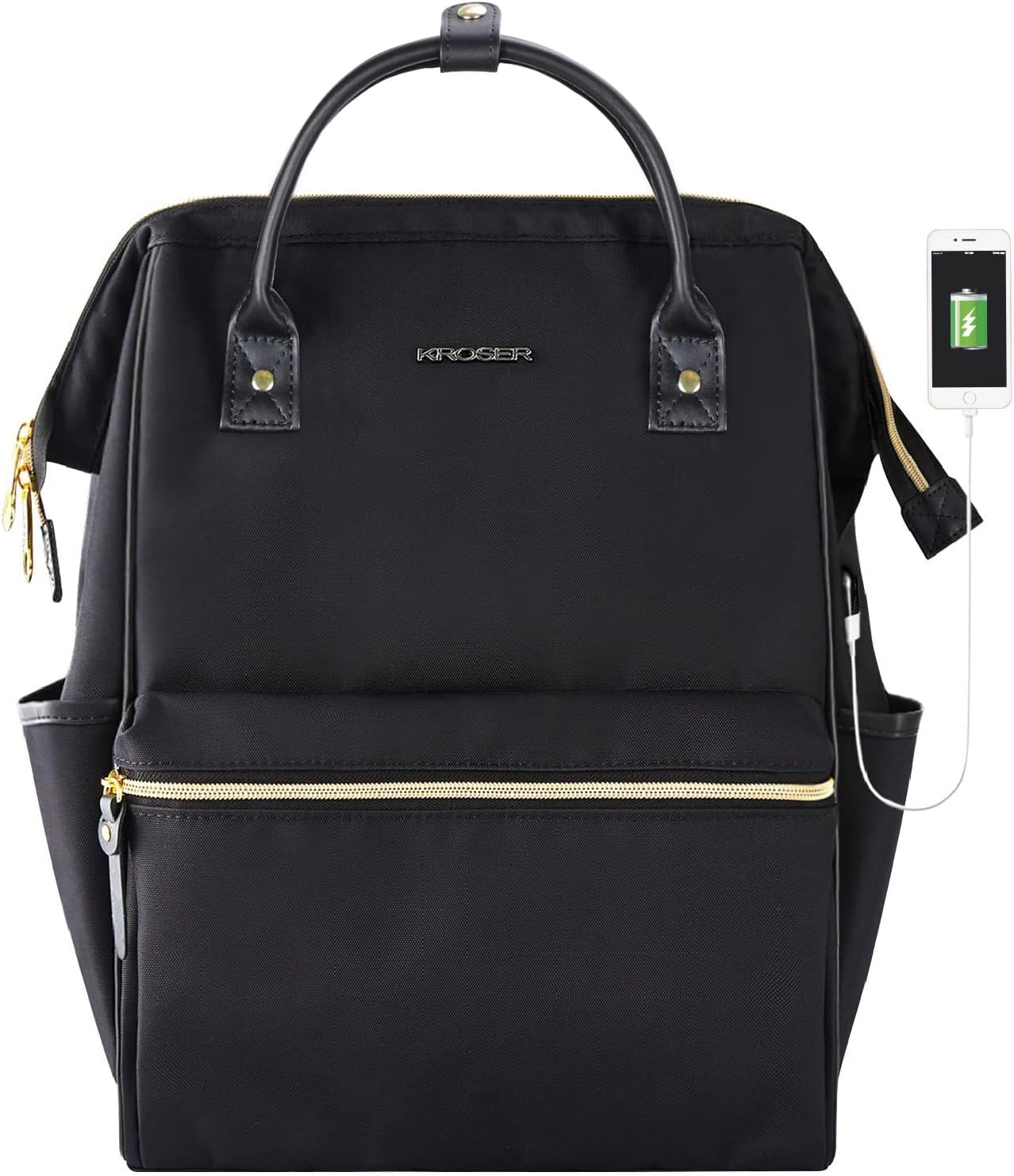
Verdict: Buy it — the best for carrying a lot; the organization is what keeps a heavy load off your shoulders.
North Face Recon — ACA-certified, but read the caveats
On paper the Recon is the ideal back-pain commuter: the same ACA-certified FlexVent suspension as the Jester, plus a sternum strap, a ventilated back panel, and a bigger capacity for heavier daily loads. If you want certified support with more room, it’s the obvious step up.
Here’s the honest part: the latest Recon redesign divides owners, and it sits at just 3.9 stars — complaints centre on changed organization and material feel, not the suspension itself. The support is genuinely good; the bag around it is more contentious. Read recent reviews for your use case before buying, and consider the Jester first if its size works for you.
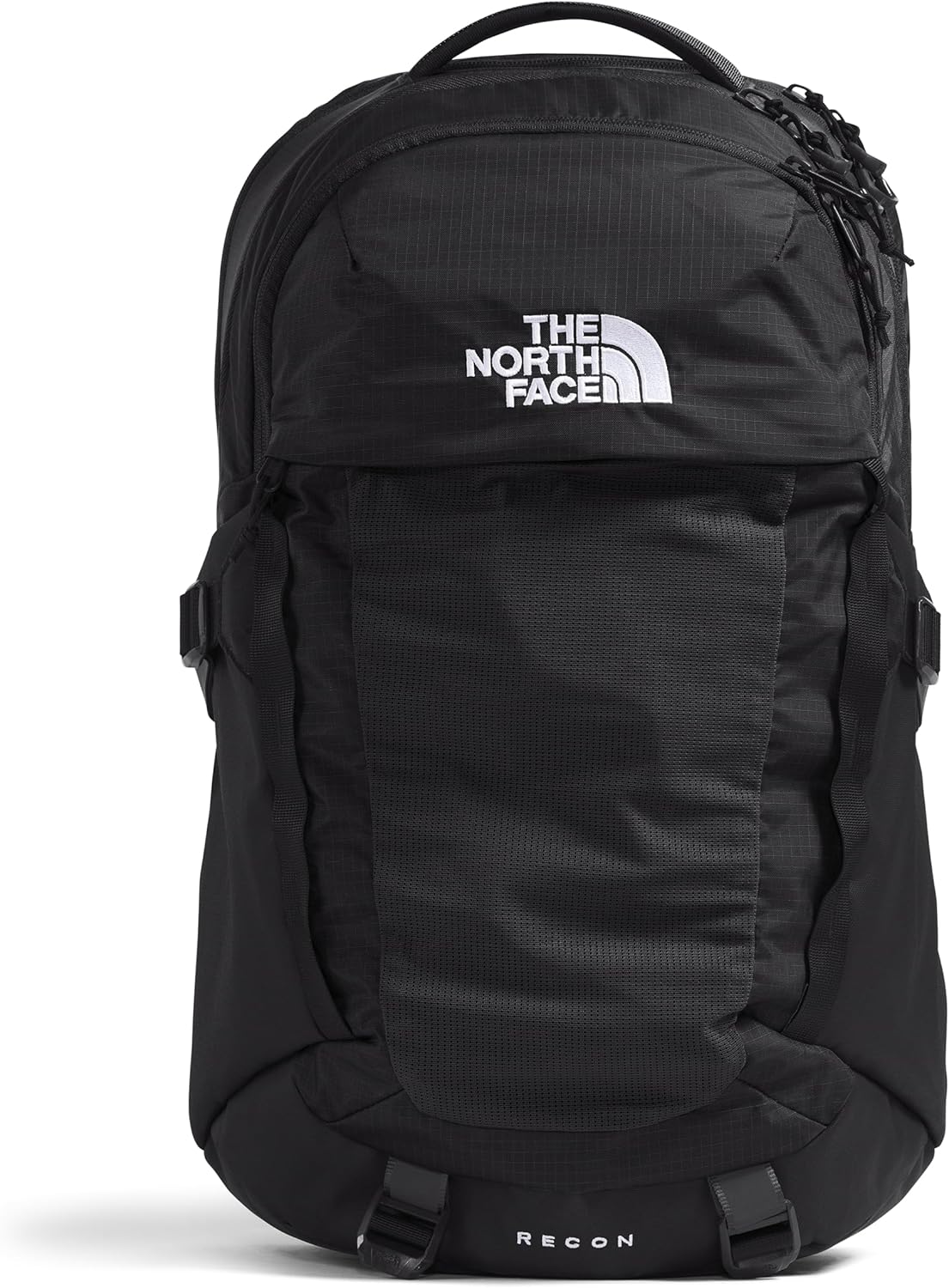
Verdict: It depends — buy it for certified support with extra room, but check recent reviews; the Jester is the safer default.
How to choose a backpack for back and shoulder pain
Think of a loaded backpack like a hiker’s pack: the goal is to keep the weight high, close to your spine, and carried by your strongest structures — not dangling off two straps. The closer a bag gets to that, the less your shoulders suffer. In order of importance:
- Wide, contoured (S-shaped) straps. They spread pressure across more of your shoulder instead of digging a line into it. Thin, flat straps are the main cause of shoulder pain.
- A padded, ventilated back panel. It holds the load flush against your back (so it doesn’t pull you backward) and lets heat escape so you’re not sweating under the weight.
- A sternum (chest) strap. It stops the shoulder straps sliding outward and stabilises the load — a small clip that makes a real difference.
- A hip/waist strap, if you carry a lot. Hip straps can transfer a large share of the load from your shoulders onto your hips, your body’s strongest weight-bearing structure. Most laptop backpacks omit them; if your load is heavy, it’s worth seeking one out.
And the rules that matter regardless of bag: keep a packed bag under about 10–15% of your body weight, put the heaviest items closest to your back, and always wear both straps — slinging it over one shoulder undoes everything above. These are not our invention: independent orthopedic and chiropractic bodies, including the American Academy of Orthopaedic Surgeons and the American Chiropractic Association, give the same load-and-straps guidance. If your aches extend to your wrists and forearms from desk work, our guides to the best keyboards for tennis elbow and why a laptop stand helps your posture tackle the rest of the setup. For more, see our laptops and accessories guides.
A note on pain: a supportive backpack eases the strain that contributes to everyday aches, but it is not a medical treatment. If your back, neck, or shoulder pain is persistent, severe, or worsening — or comes with numbness or tingling — see a doctor or physical therapist. The right bag is a sensible precaution, not a diagnosis.
Frequently asked questions
What type of backpack is best for back pain?
One that distributes weight instead of concentrating it: wide contoured shoulder straps, a padded and ventilated back panel, and a sternum strap, ideally with a hip strap if you carry heavy loads. Backpacks with a chiropractic-association-certified suspension, like the North Face Jester, are designed around exactly these features.
How should you wear a backpack to avoid back pain?
Always use both straps, tightened so the bag sits high on your back rather than sagging near your hips — a low, loose pack pulls on your shoulders and lower back. Pack the heaviest items closest to your spine, fasten the sternum and hip straps if it has them, and keep the total weight under roughly 10–15% of your body weight.
Can a backpack cause shoulder pain?
Yes. Thin, flat straps dig into the soft tissue and nerves of your shoulders, and a bag worn over one shoulder loads one side unevenly. Carrying too much weight, or letting the bag hang low and away from your back, makes it worse. Wide padded straps, a sternum strap, and sensible weight all help prevent it.
How heavy should a laptop backpack be?
The widely cited guideline is to keep a loaded backpack under about 10–15% of your body weight. Beyond that, the strain on your shoulders, neck and lower back rises quickly. A lighter empty bag helps, but how much you put in it — and how you pack it — matters far more than the bag’s own weight.
Are backpacks with chest straps better for your back?
For stability, yes. A sternum (chest) strap stops the shoulder straps from sliding outward and keeps the load centred and steady, which reduces the side-to-side pull on your shoulders. It’s a small feature with a real benefit, which is why most ergonomic and certified packs include one.
Is a backpack or a messenger bag better for back pain?
A well-fitted backpack is almost always better. A messenger or shoulder bag puts the entire load on one shoulder and one side of your back, creating exactly the uneven strain that causes pain. A backpack worn on both straps spreads the same weight symmetrically across your body.