

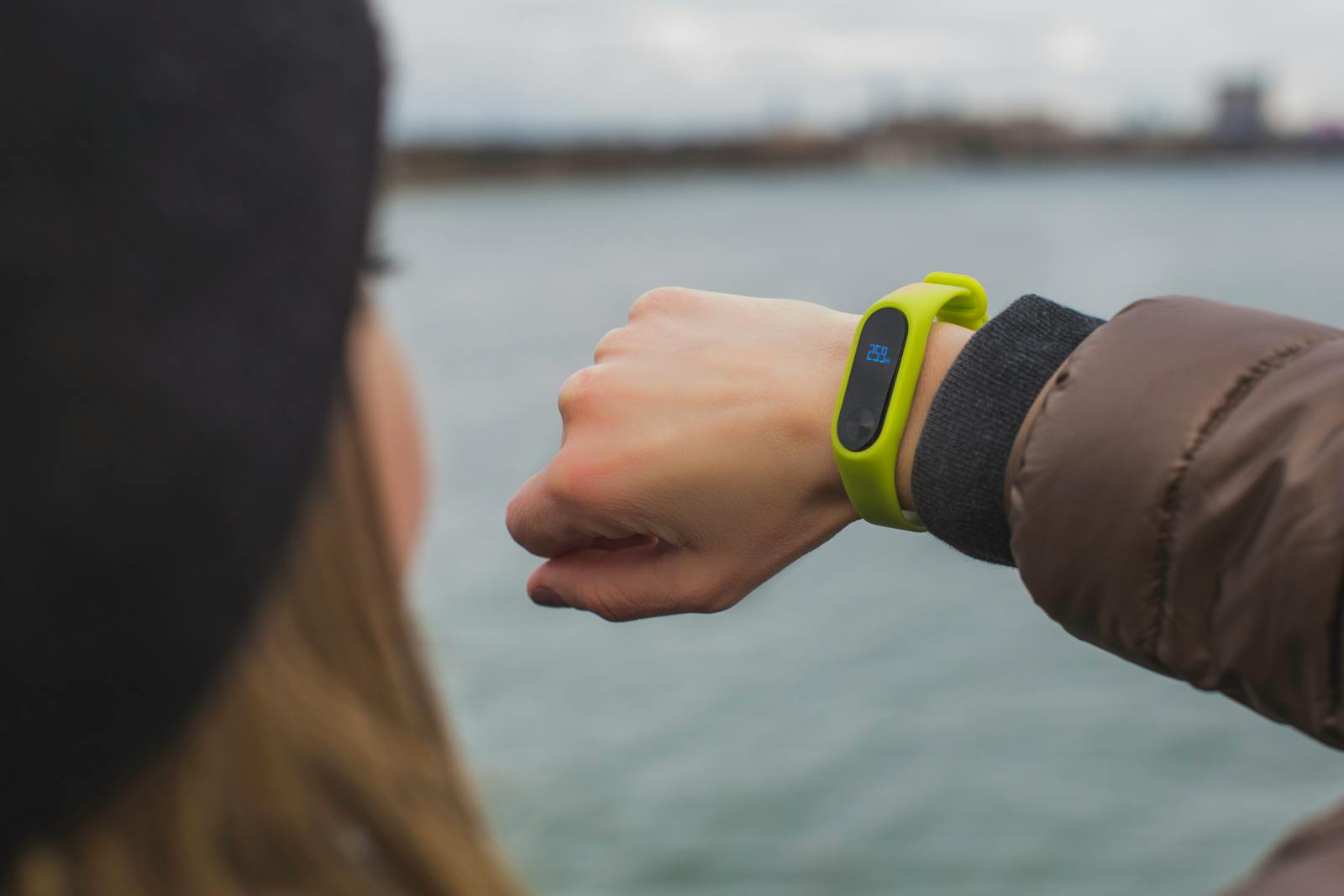
Wearables are sold on features you’ll check once and a screen full of metrics, but the device on your wrist lives or dies on three quiet things: does the sensor measure accurately, does the battery last long enough to actually wear it, and does it work without a monthly fee? Everything else is a notification you could get from your phone.
This hub maps wearables by what you want from them and names the deciding factor each time. The TechnoQia rule applies here too: watch for the subscription. A tracker that paywalls your own health data behind a membership costs far more than the sticker, and a one-charge-a-week device you’ll keep wearing beats a feature-packed one you take off.
- Want all-day health and activity? A fitness tracker – judged on battery and whether insights need a subscription.
- Want apps, calls and notifications? A smartwatch matched to your phone.
- Tracking a specific health metric? A focused health wearable with proven sensor accuracy.
TechnoQia · Wearables map
Table of Contents
Which wearable is right for you?
Match the wearable to what you want from it – one factor decides each.
Decider: multi-day battery and whether the useful insights are free or behind a subscription.
Decider: tight integration with the phone you own – the wrong ecosystem is a daily annoyance.
Decider: proven sensor accuracy for that metric – a number you cannot trust is worse than none.
Decider: battery life and reliable step and sleep tracking – skip the features you will never open.
Fitness trackers
A fitness tracker is judged on the things you live with daily: multi-day battery so you actually keep it on, and whether the insights you want are free or locked behind a subscription. Accuracy of heart rate and sleep matters more than the metric count. See our fitness tracker guides.
Smartwatches
A smartwatch is an extension of your phone, so ecosystem fit decides everything – the right watch for an iPhone is the wrong one for an Android, and vice versa. After that it’s battery and the apps you’ll really use. The smartwatch guides match watches to phones.
Health wearables
For health-focused wearables – ECG, blood oxygen, glucose trends – sensor accuracy is the only spec that matters. A reading you can’t trust is worse than no reading. Our health wearable guides focus on the devices with credible accuracy.
How to choose a wearable without overspending
First, buy for battery and accuracy, not the feature list. A device you keep charged and on your wrist, giving numbers you can trust, beats a spec-packed one you stop wearing. Second, watch the subscription. Some wearables paywall your own health insights behind a membership – total that fee before calling the device cheap, and prefer ones whose core data is free. Match the watch to your phone, and don’t pay for sensors you’ll never read.
Where to start with a wearable
Decide what you actually want from your wrist: all-day health and long battery point to a fitness tracker; apps and calls point to a smartwatch that matches your phone. Then check two things before buying – how often it needs charging, and whether the insights you care about are free. That filters out most regret purchases.
Frequently asked questions
Smartwatch or fitness tracker – which should I get?
Choose a fitness tracker if you mainly want activity, heart rate and sleep with long battery life and a slim design. Choose a smartwatch if you want apps, calls and notifications on your wrist. Trackers last longer between charges; smartwatches do more but need charging more often.
Are wearable health sensors accurate?
It varies by device and metric. Step counts and resting heart rate are generally reliable; continuous heart rate during intense exercise, blood oxygen and sleep stages are less precise. Treat them as trends rather than medical readings, and prioritise devices with proven accuracy for the metric you care about.
Do fitness trackers need a subscription?
Some do, increasingly. The basic tracking is usually free, but deeper insights, coaching or full history can sit behind a paid membership. Check what is free versus paid before buying, and total any subscription into the real cost of the device.
Does the smartwatch have to match my phone brand?
Largely, yes. Smartwatches are deeply tied to their phone ecosystem – some only pair with one platform, and even cross-platform ones lose features on the “wrong” phone. Check compatibility with the phone you own before buying; it is the most common wearable mistake.
How important is battery life on a wearable?
Very – because a wearable only helps if you actually wear it. Multi-day battery means you keep it on through sleep tracking and busy days; a device you take off to charge daily misses data and often ends up in a drawer. Battery is a core spec, not an afterthought.
Can a wearable replace medical devices?
No. Consumer wearables are wellness tools, not certified medical instruments. Some features (like ECG) can flag potential issues worth checking, but they are not a substitute for proper medical equipment or advice. Use them to spot trends and prompt a doctor’s visit, not to diagnose.
Related hubs
Building a connected lifestyle? See smart home for devices your wearable can control, audio for the earbuds that pair with it, and portable tech for keeping everything charged on the move.